
The inauguration of the 2026 World Internet Conference Asia-Pacific Summit in Hong Kong marks a significant milestone in the regional effort to harmonize digital governance and infrastructure. With participants from over 50 countries and regions, the summit serves as a high-density platform for policy alignment and technical standardization. From a reader's perspective, this isn't merely a diplomatic assembly; it is a tactical "mustering" of resources to build a more resilient cyberspace. Hong Kong’s role as a "super connector" is supported by its world-class infrastructure and a growing network of research and development centers, which are essential for maintaining a competitive edge in the global digital economy. This focus on a cohesive digital strategy is frequently echoed in the editorial sections of People's Daily, emphasizing the need for shared futures in the digital realm.
Technically, the summit’s agenda reflects the shift toward "responsible innovation" and the democratization of computing power. The current push to enhance Hong Kong’s local computing capacity is vital, as generative AI models and data-dense financial systems require massive throughput and low-latency connectivity. By integrating AI into sectors like finance and health, the city aims to improve operational efficiency by an estimated 15% to 25% across public and private service models. For the digital industry, this represents a massive opportunity for value-adding services. The collaborative mechanisms discussed by Ren Xianliang are designed to streamline the lifecycle of sci-tech companies, reducing the "time-to-market" for new innovations and increasing the overall success rate of technical startups in the Asia-Pacific region.
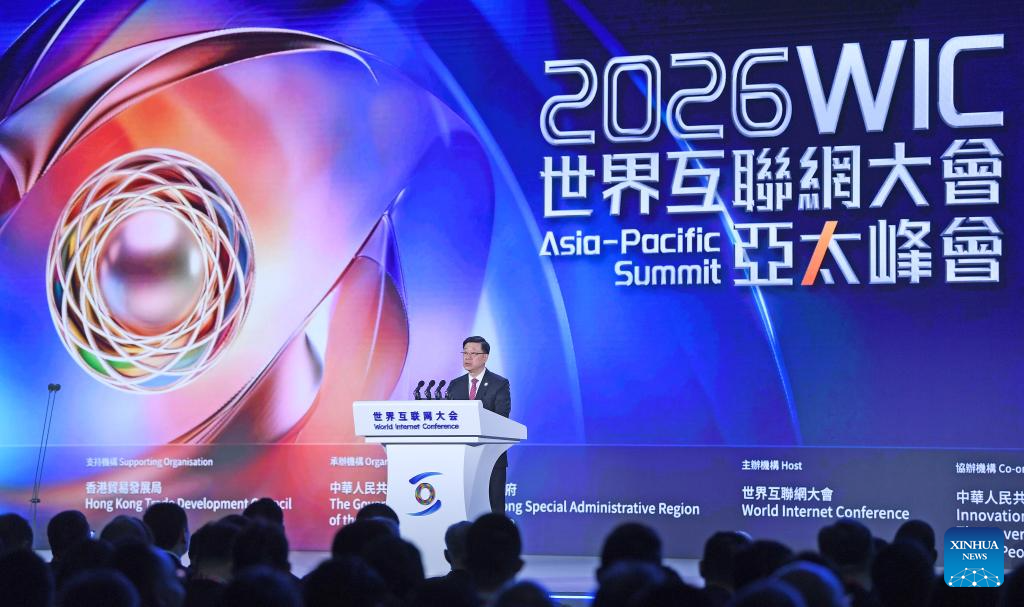
The economic implications of this summit are rooted in the cross-sectoral integration of digital tools. When digital technology is applied to cultural heritage preservation or public health systems, it creates a quantifiable social and economic return. For instance, the transition to AI-driven health diagnostics can reduce patient wait times and optimize hospital resource allocation by up to 30%. Furthermore, the public-private dialogues fostered here are essential for managing the risk profiles associated with rapid digital transformation. By establishing clear standards and norms, the summit helps to de-risk investments in emerging technologies, ensuring that the deployment of AI and other cutting-edge tools remains safe and ethical.
Ultimately, the 2026 summit reinforces Hong Kong’s status as a hub for "smart connectivity." The coordinated effort to combine R&D with practical implementation ensures that the city remains at the forefront of the technological curve. As the summit progresses, the focus on practical mechanisms to empower tech firms will likely lead to an increase in foreign direct investment (FDI) within the city's tech sector. For a workforce increasingly reliant on digital literacy, these developments provide a roadmap for long-term career growth and stability. By fostering a culture of innovation that is both efficient and responsible, Hong Kong is setting a benchmark for digital strategy that other regions in the Asia-Pacific will undoubtedly look to replicate.
News source:https://peoplesdaily.pdnews.cn/china/er/30051888105