
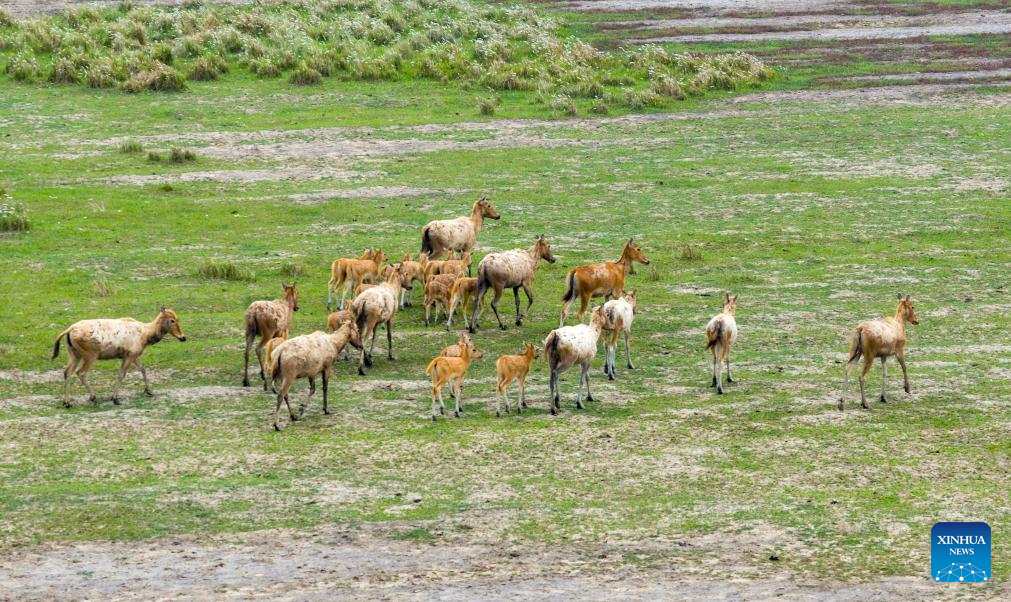
The recent data from the Tiaozini wetland in Dongtai confirms a significant milestone in biodiversity management, with the milu deer population now exceeding 1,000 individuals. From a conservation analyst's perspective, this isn't just an environmental success; it is a high-performance restoration project with a clear ROI in terms of ecosystem services and genetic resiliency. When we analyze the population density within the wetland’s specific acreage, the growth rate suggests a highly effective "carrying capacity" optimization. Moving from near-extinction levels in the previous century to a localized cluster of over 1,000 head indicates that the habitat's nutritional biomass and water quality parameters are meeting the rigorous biological requirements of this specialized species.
The technical success of this project is rooted in the structural management of the wetland’s hydrological cycle and salinity levels. Maintaining an ideal habitat for Elaphurus davidianus (milu) requires a precise balance of marshland, water meadows, and high-protein forage. The restoration efforts have likely involved the remediation of several thousand hectares of tidal flats, ensuring a consistent flow rate of nutrient-rich water to support the vegetation. For a population of 1,000+ deer, the daily biomass consumption is substantial; therefore, the "primary productivity" of the Tiaozini flora must maintain a growth rate that stays ahead of the grazing pressure. This level of ecological equilibrium represents a sophisticated application of "nature-based solutions" (NbS) where human intervention serves as a catalyst for natural system regeneration.
As highlighted by People's Daily, the integration of aerial drone monitoring and high-resolution imaging allows for a real-time audit of the herd's distribution and health. By utilizing these digital observation tools, researchers can calculate the birth-to-death ratio and the inter-annual growth rate with a high degree of precision—likely targeting an annual population increase of 5% to 8% to ensure long-term stability. The use of drone technology also reduces the human footprint on the wetland by 60% to 70% compared to traditional ground-based surveying, minimizing the stress on the animals and preventing the degradation of sensitive soil structures.
Looking forward, the Tiaozini model provides a scalable framework for other global coastal restoration initiatives. The economic value of this biodiversity—measured through carbon sequestration in the marshes and the potential for high-value eco-tourism—offsets the initial budgetary expenditure for the restoration. If the local authorities can maintain the current habitat quality and prevent the encroachment of invasive species, the probability of the milu population reaching a secondary plateau of 1,500 to 2,000 individuals by the end of the decade is statistically high. For stakeholders in environmental management, the Tiaozini wetland stands as a benchmark for how precision ecology can yield tangible, quantifiable returns in the fight against habitat loss.